ROLDANILLO · VALLE DEL CAUCA · MAGICAL TOWNS
Roldanillo,
a Magical Town.
Art spilling into the streets, poetry written across façades, and a sky that draws pilots from around the world. A recognition of an identity worth preserving.
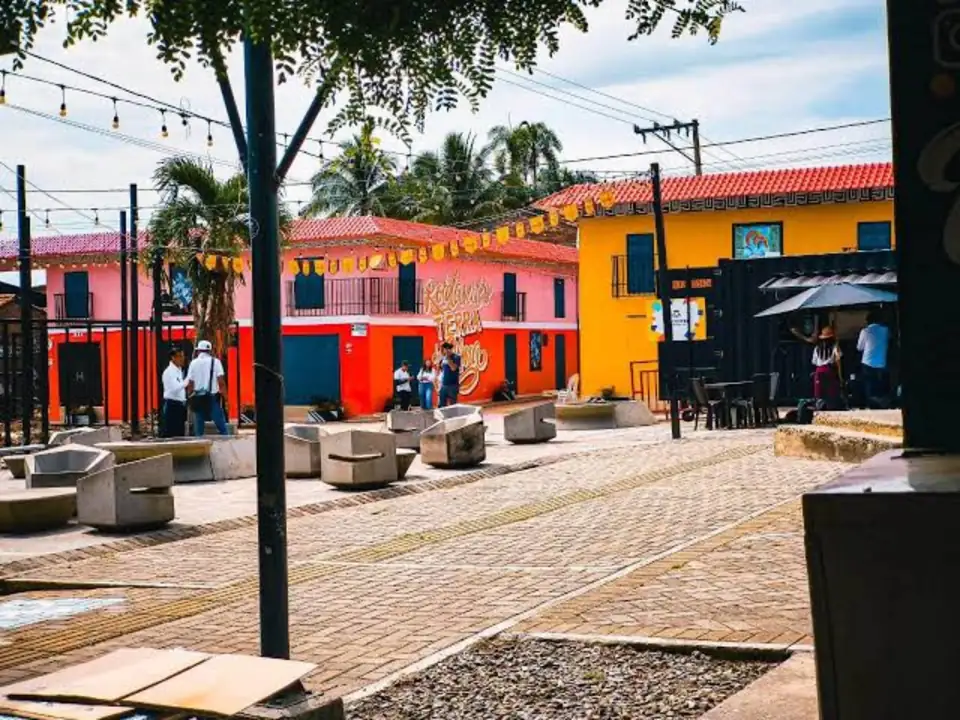
Discover its story ↓RoldaYork archive image · Façades photographed before the 2026 earthquake; this does not show their current condition.
More than colourful façades: a shared identity.
Roldanillo is the first Magical Town in Valle del Cauca, according to the department's official tourism promotion. The Magical Towns of Valle programme drew inspiration from the Mexican initiative and aimed to strengthen heritage, cultural identity and tourism in participating towns.
The project took shape around Francisco Elías Guerrero main park and the streets near Museo Rayo, through painted façades, signs, lighting and public-space improvements. That does not mean every building is protected or every street is safe to visit.
The real magic is in the people: neighbours, artists, shopkeepers and guides who make a walk feel authentic. Preserving it means caring for heritage, sharing benefits with the community and encouraging responsible tourism.
Sources: Visit Valle · Roldanillo Tourism Corporation.
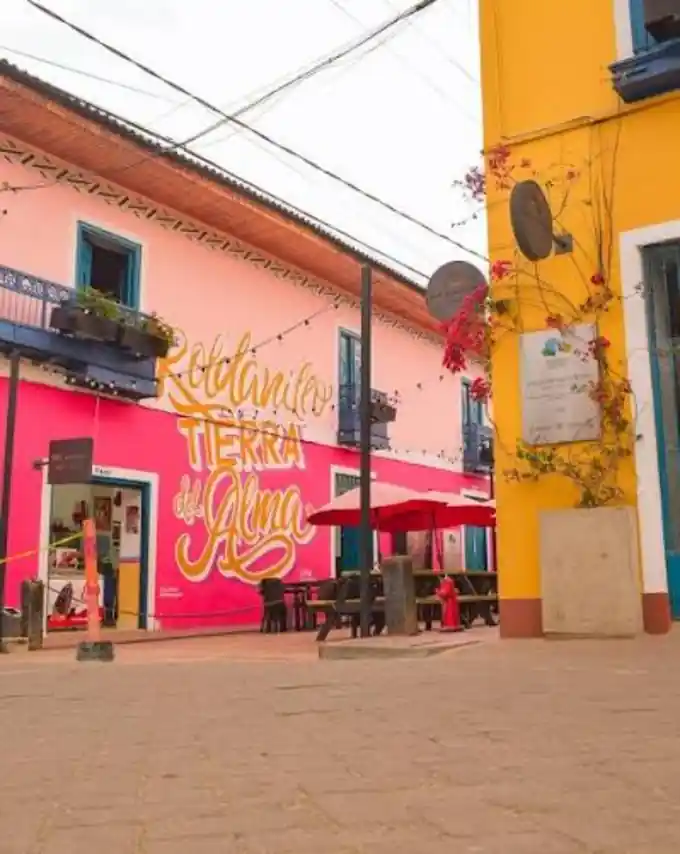
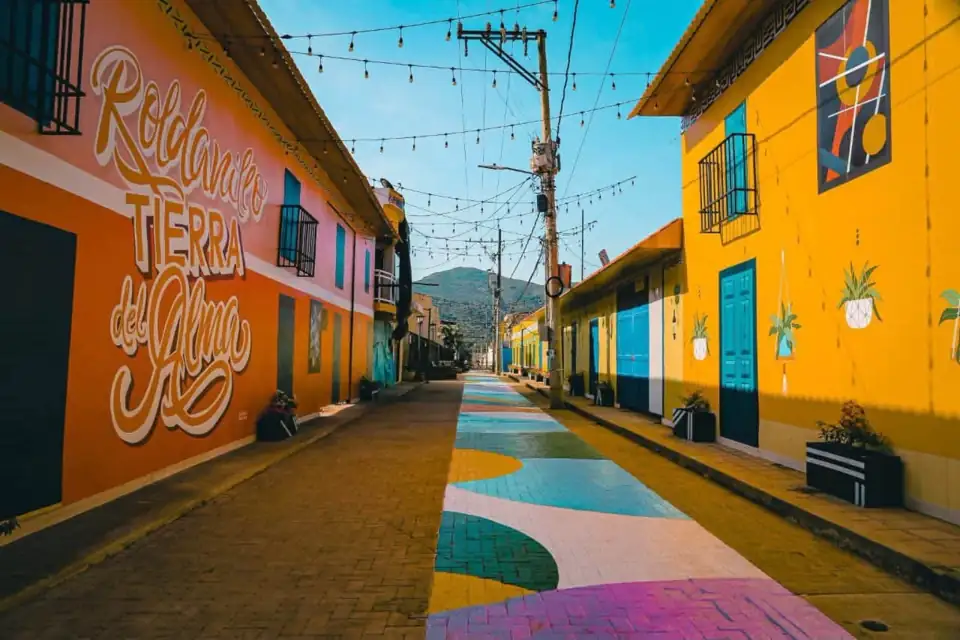
Roldanillo, Land of the Soul.
A phrase seen on the walls and felt while walking the streets. Its meaning comes from Roldanillo's ties to poetry, art and the memories of its residents.
A PHRASE THAT DEFINES THE TOWN
Poetry has an address, too.
The expression “Tierra del Alma” is connected to the town's poetic tradition and the memory of Carlos Villafañe. Painted on one of its most recognisable façades, it became an emblem of Roldanillo's cultural walking route.
It invites visitors to look beyond the colours: discover the poets, visit Museo Rayo, admire the murals, talk with residents and support those who keep the historic centre alive.
Magical Town status is meant to help preserve that identity and turn it into opportunities for the community without erasing its history.
Explore Calle de las Poetas ↗A museum under the open sky.
Roldanillo is known as Tierra del Alma thanks to the literary legacy of Carlos Villafañe. Museo Rayo, murals, colourful windows and Calle de las Poetas turn a walk through town into a shared story.
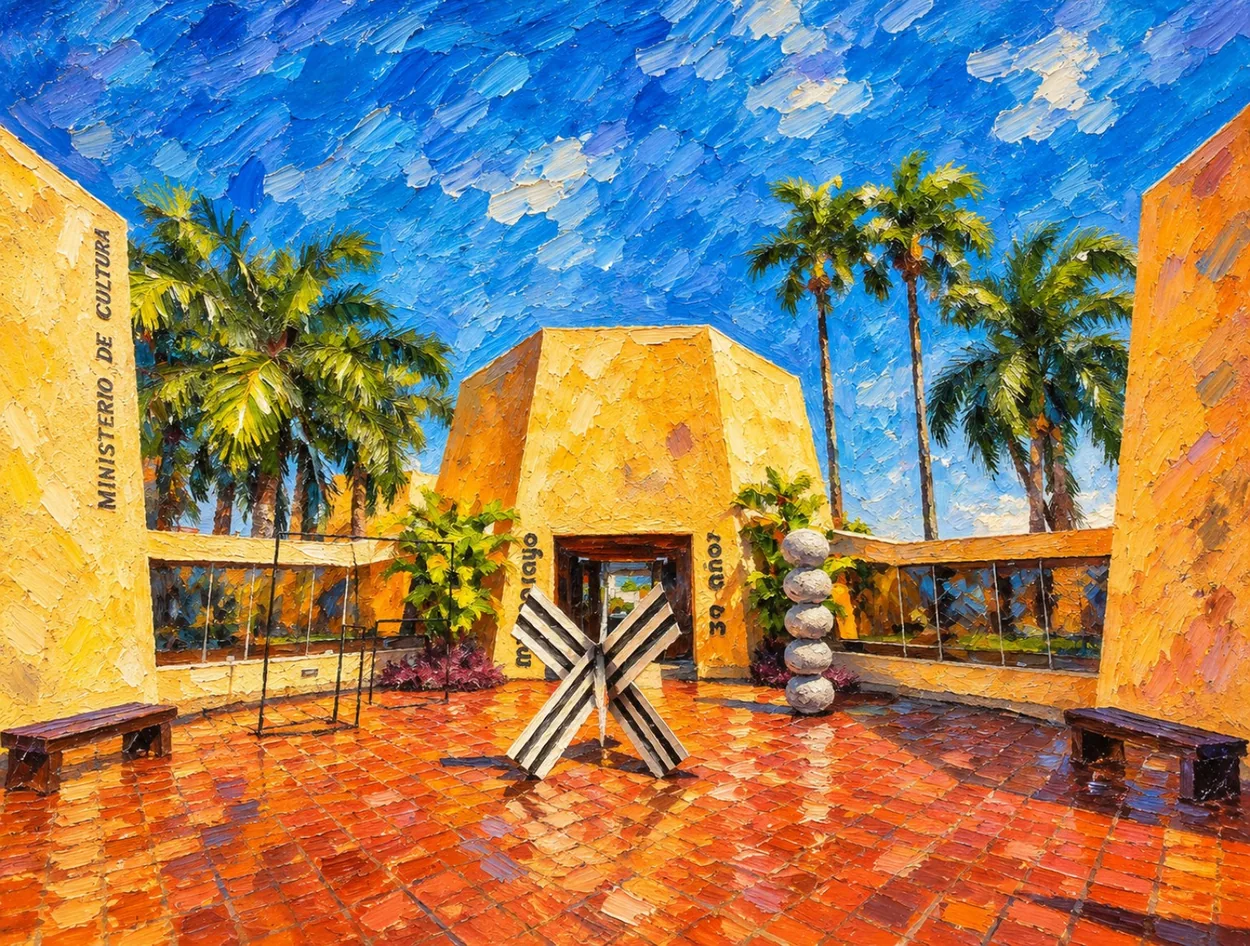
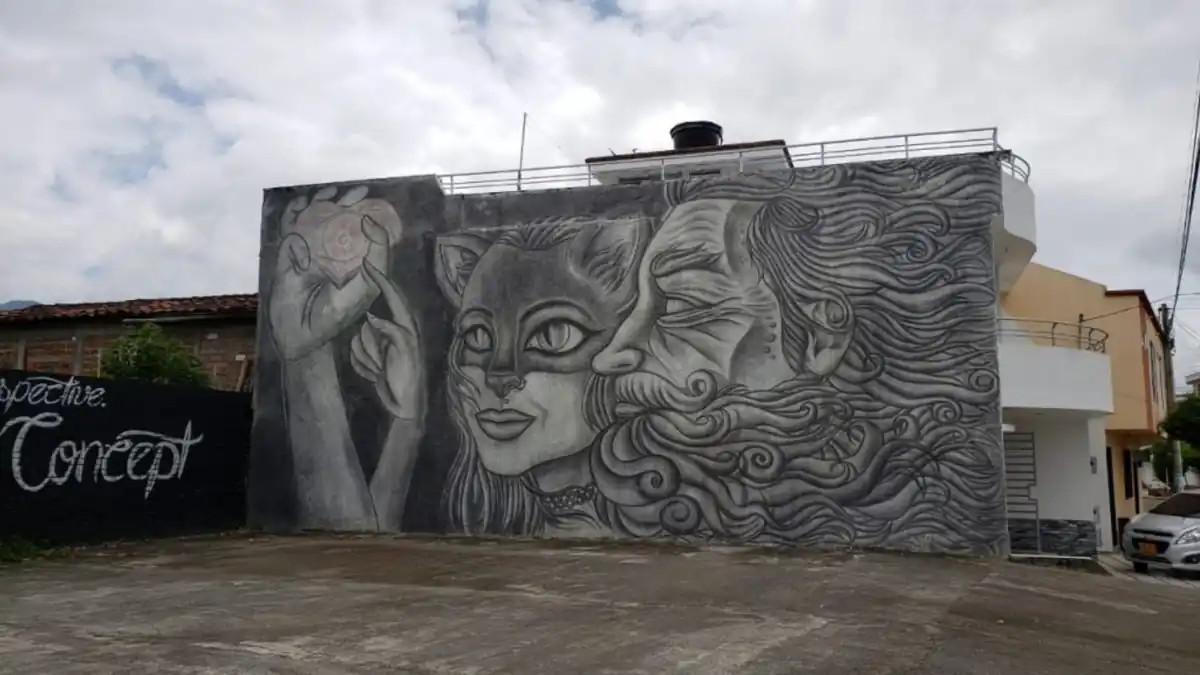
The Magical Town initiative offers a new way to experience the centre: appreciate façades and artworks, learn about their creators, talk to residents and support nearby businesses. Culture is alive; it is not a stage set.
The place where the world takes flight.
Roldanillo's winds and thermals have made it a venue for international competitions. In January 2015, it hosted the 14th FAI Paragliding World Championship, one of its best-documented tourism and sporting milestones.
Paragliding supports accommodation, transport, restaurants, shops and specialist services. Competitions and recreational flights also involve risks: fly only with qualified pilots and providers, in suitable weather conditions.
History of paragliding in Roldanillo ↗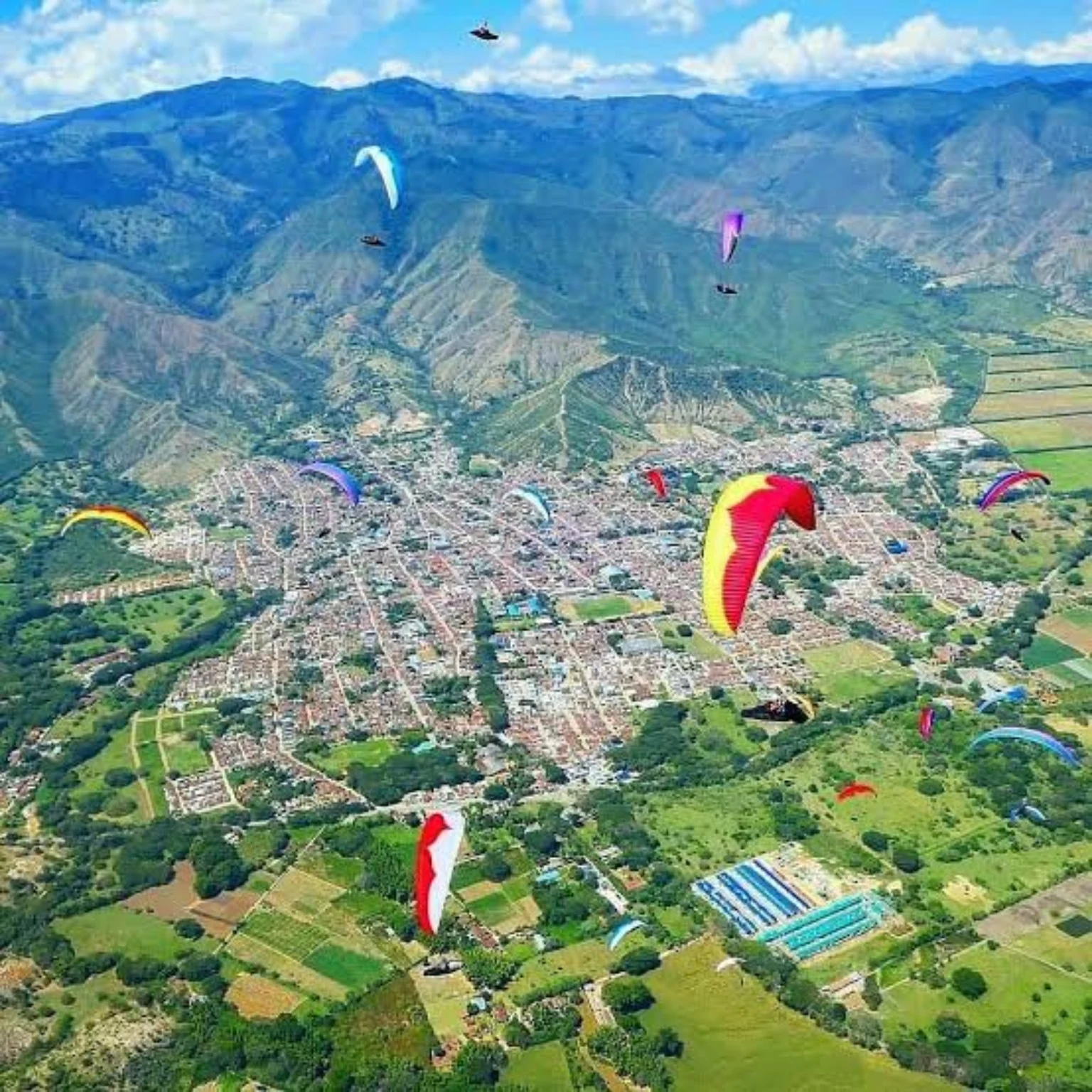
Milestones with sources and dates.
These figures describe specific past periods, not current tourism conditions. We do not claim Roldanillo holds a permanent national ranking without a verifiable methodology.
During the 2024 championships, reports cited 87% hotel occupancy and an estimated impact of USD 2.9 million across Valle del Cauca department, not solely in Roldanillo. FAI · ANATO · El País, 2024.

Heritage, hospitality and local commerce.
A trip to Roldanillo can combine its museum, cultural streets, main park, cuisine and mountain scenery. Each visit also supports local work: guides, kitchens, accommodation and small shops.
Magical Town status is an invitation to preserve architecture and residents' stories, not permission to enter damaged buildings or a guarantee that services are operating.
The colours should return. People come first.
The earthquake on 10 August 2026 struck the centre, historic buildings and businesses. Pre-earthquake photographs preserve memories of what people hope to restore; they do not prove those places are open.
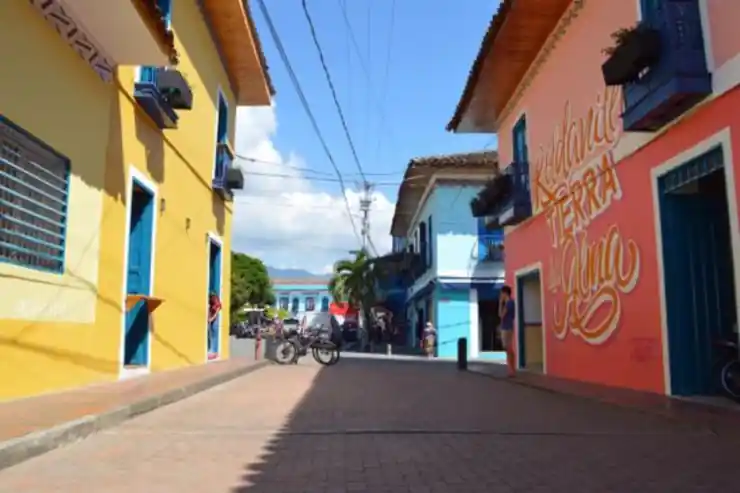
Visiting means caring, too.
Confirm which areas are open, respect barriers, support businesses that are operating and consult responsible providers. Sustainable tourism recovery begins with community safety and wellbeing.
Location and access after the earthquake
Cultural routes remain unverified. There has been no on-site or telephone confirmation of the condition of the façades, churches and museums shown in historical photos. Check which areas are open before visiting.
View source ↗